Title:
The Power of Karate: History, Techniques & Benefits of the Ancient Martial Art
Description:
Discover the origins, principles, techniques, and physical and mental benefits of Karate. Learn how this ancient martial art builds discipline, confidence, and strength for all ages.
Introduction to Karate –
Karate is one of the world’s most respected martial arts, known for its powerful strikes, disciplined practice, and deep philosophical roots. Originating in Okinawa, Japan, it has evolved into a global system of self-defense, fitness training, and personal growth. But karate is more than punching and kicking—it is a lifelong journey of discipline, respect, and inner strength.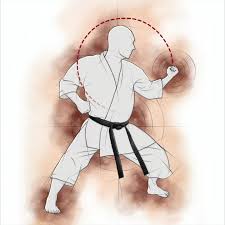
In this blog, we’ll explore the history of karate, its main styles, the techniques used, and the physical and mental benefits you gain from practicing this incredible martial art.
History of Karate
Karate’s origins can be traced back hundreds of years to the Ryukyu Kingdom, modern-day Okinawa. The people of Okinawa developed self-defense techniques influenced by Chinese martial arts and their own native fighting systems known as te.
Okinawa – The Birthplace of Karate
During the 17th century, when weapons were banned in Okinawa by ruling authorities, the practice of unarmed combat became essential. This led to the evolution of karate as a practical combat method relying on the body’s natural weapons—hands, feet, elbows, and knees.
Karate was later introduced to mainland Japan in the early 20th century, where it developed into a structured martial art with ranking systems, uniform (gi), and colored belts to signify progress.
Today, karate is practiced worldwide by millions and is even recognized as an Olympic sport.
The Philosophy and Principles of Karate
Karate is not just about fighting; it is rooted in values that shape a practitioner’s character.
The Dojo Kun – Rules to Live By
Most karate schools follow traditional principles known as the Dojo Kun. These usually include:
- Seek perfection of character
- Be faithful
- Endeavor
- Respect others
- Refrain from violent behavior
These values highlight that karate is built on respect, humility, and discipline. Practitioners are reminded that karate should never be used to harm others but instead to protect and better oneself.
Mind, Body, and Spirit Connection
Karate’s training process unites:
- Mind – focus, awareness, mental clarity
- Body – strength, flexibility, endurance
- Spirit – determination, confidence, perseverance
The harmony of these three creates a balanced martial artist who is calm under pressure and capable of making strong decisions both inside and outside the dojo.
Major Styles of Karate
Karate has expanded into several recognized styles, each with different techniques and philosophies.
Shotokan Karate
One of the most popular styles globally, Shotokan is known for:
- Deep stances
- Powerful straight-line techniques
- Emphasis on speed and accuracy
Goju-Ryu Karate
Goju-Ryu blends hard and soft movements:
- Circular motions
- Close-range attacks
- Strong breathing techniques
Shito-Ryu Karate
Shito-Ryu focuses on:
- A large number of kata (forms)
- Balanced techniques
- Smooth transitions
H3: Wado-Ryu Karate
Wado-Ryu incorporates jiu-jitsu principles:
- Evading attacks
- Body movement
- Joint locks and throws
All styles have the same purpose—developing strong technique, sharp focus, and a disciplined mindset.
H2: Key Techniques in Karate
Karate is built on a foundation of structured techniques designed for both self-defense and competition.
H3: Striking Techniques (Atemi-waza)
Karate emphasizes precise and powerful strikes, including:
- Punches (Tsuki) – straight punch, reverse punch
- Elbow strikes (Empi) – upward, downward, sideways
- Kicks (Geri) – front kick, roundhouse kick, side kick
Each strike is practiced thousands of times to develop accuracy and control.
H3: Blocking Techniques (Uke-waza)
Blocks help protect the practitioner from attacks:
- Upper block
- Middle block
- Lower block
- Inside/outside block
These defensive movements form the foundation of karate’s self-protection strategy.
H3: Stances (Dachi)
Karate stances build stability and power:
- Front stance (Zenkutsu-dachi)
- Horse stance (Kiba-dachi)
- Back stance (Kokutsu-dachi)
The stronger the stance, the more effective the technique.
H3: Kata – The Heart of Karate Training
Kata are prearranged sequences of movements that simulate combat. Practitioners perform kata to improve:
- Timing
- Rhythm
- Power
- Technique
- Mental focus
Every kata tells a story and preserves karate’s ancient traditions.
H2: The Benefits of Practicing Karate
Whether you’re a child, adult, or senior learner, karate offers a wide range of mental, physical, and emotional benefits.
H3: Physical Fitness and Strength
Karate training improves:
- Full-body strength
- Flexibility
- Balance
- Cardiovascular health
- Coordination
From warm-ups to drills, every session activates the entire body.
H3: Self-Defense Skills for Real-Life Situations
Karate teaches practical self-defense methods that include:
- Awareness of surroundings
- Quick reactions
- Effective strikes
- Escaping from grabs
Students learn how to remain calm and make smart decisions during stressful encounters.
H3: Mental Discipline and Focus
Regular practice sharpens the mind. Students learn:
- Patience
- Concentration
- Goal-setting
- Self-control
These skills translate into school, work, and everyday life.
H3: Confidence and Emotional Growth
Achieving new belts, mastering techniques, and overcoming challenges help build:
- Self-confidence
- Resilience
- Respect
- Humility
These traits stay with practitioners long after they leave the dojo.
H2: Who Can Learn Karate?
Karate is for everyone, regardless of age, gender, or physical condition.
H3: Kids
Children benefit from karate by learning:
- Discipline
- Respect
- Focus
- Physical fitness
It also helps reduce stress and improve academic performance.
H3: Adults
Adults gain:
- Stress relief
- Increased energy
- Improved strength
- Better flexibility
Karate is an excellent alternative to traditional gym workouts.
H3: Seniors
With appropriate modifications, seniors can practice karate for:
- Mobility
- Gentle muscle strengthening
- Mental sharpness
Karate is highly adaptable and safe when taught correctly.
H2: Final Thoughts – Karate as a Lifestyle
Karate is much more than a martial art—it is a path of lifelong self-improvement. It teaches discipline, respect, focus, and resilience. It develops physical strength along with inner peace. Whether you are seeking fitness, confidence, self-defense skills, or personal growth, karate offers a powerful system to transform your body and mind.
If you’ve ever considered starting karate, now is the perfect time. Step into a dojo, tie your belt, and begin your journey toward becoming the strongest version of yourself.